
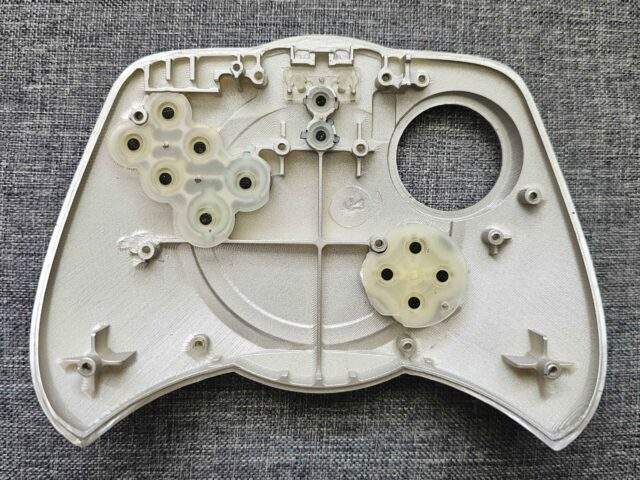
Here’s a sentence I never expected to type: the most exciting Majora’s Mask discovery in years comes from a console that didn’t even have a cartridge slot.
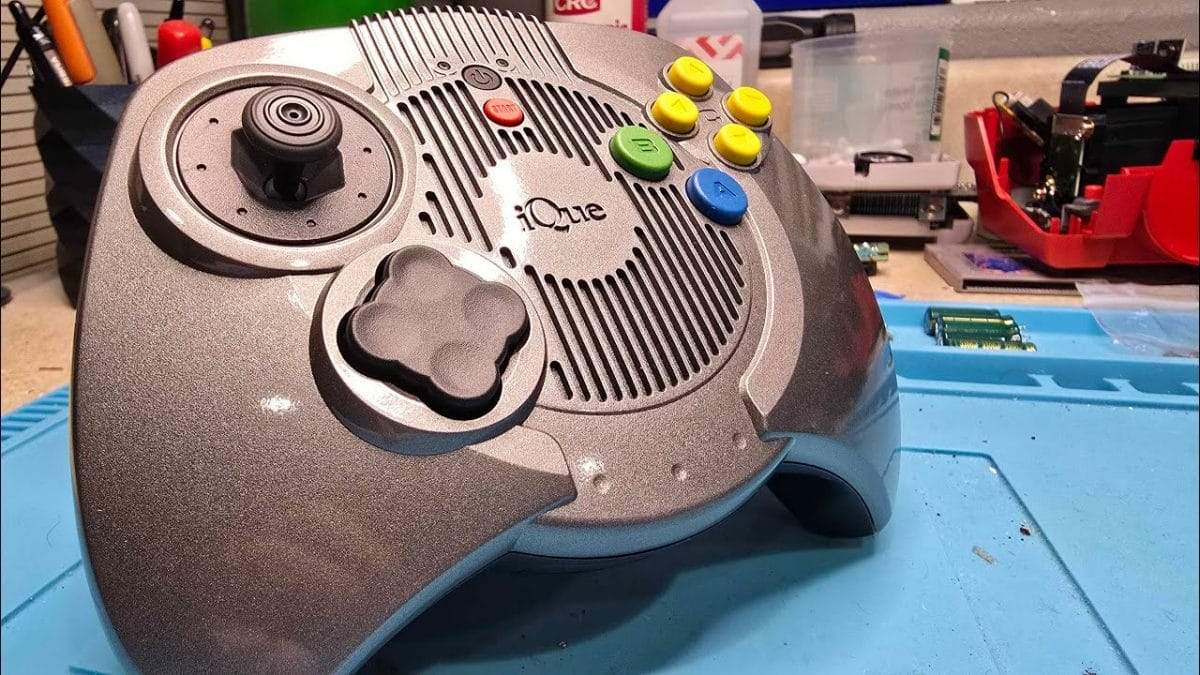
The iQue Player was Nintendo’s strangest hardware experiment — an official mainland-China version of the Nintendo 64, released in November 2003 and built with BroadOn. Because of China’s console restrictions at the time, it was marketed as a “3D interactive system” rather than a game console, and instead of cartridges it ran games off NAND-flash iQue Cards. You bought games at iQue Depot kiosks (48 yuan a pop — about $12.50 USD, or roughly $17 CAD) or, from 2004 on, through iQue@Home over USB. A brave little experiment in digital distribution, years before the rest of us ditched our game shelves.
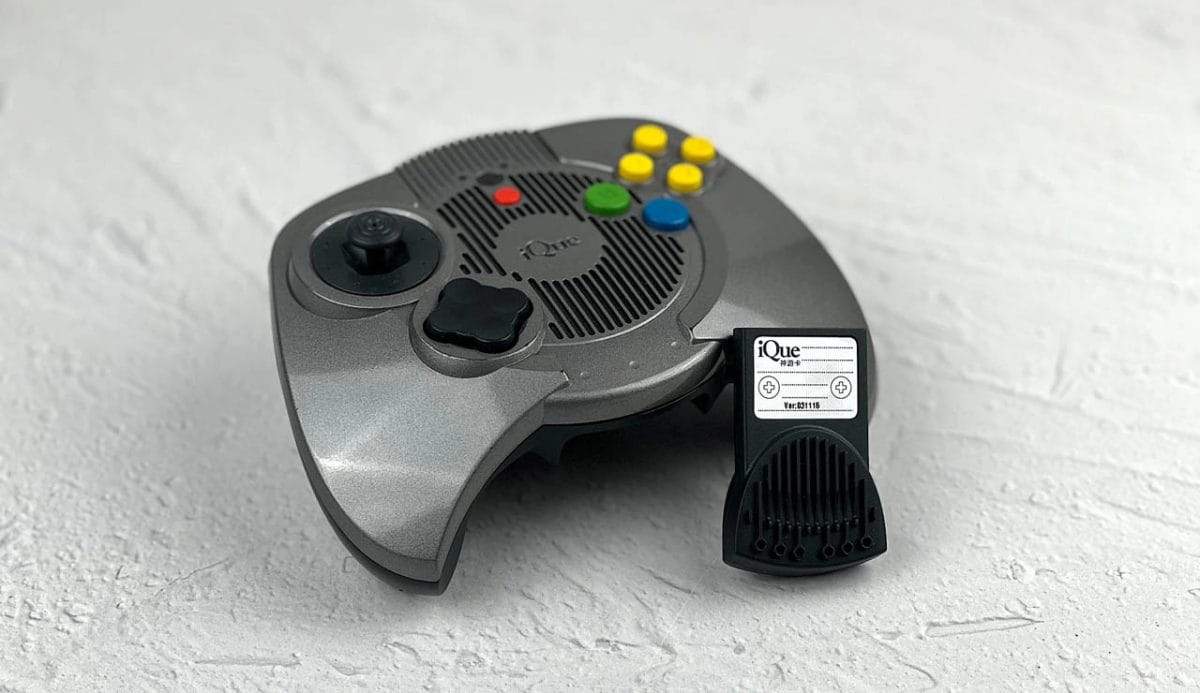
Now the iQueBrew research team has published dumps from four preproduction iQue Player units — two of the team’s members snagged them at auction sites back in early 2024 — documented by Gaming Alexandria’s jhynjhiruu in September and picked up by Console Classics this week. The consoles were apparently used for late-stage game testing: the dumps also carried prerelease builds of Super Smash Bros. and Custom Robo, several differing from their retail versions. But the headline find is a genuine lost game. Majora’s Mask was in development for the iQue: the game was teased on the back of the console’s box and in iQue@Home retail materials, but it never released, and no complete ROM has ever surfaced.
On one of the preproduction units, the researchers found a fully intact CMD file record for the game — but the game file itself had been deleted. Normally that would be the end of the story: when a file is deleted on the iQue Card’s filesystem, the block-ordering data goes with it. But the surviving data happened to be contiguous and sequential, so the team managed to extract and decrypt almost 10MiB of the game. It’s mostly models and textures from the end of the ROM rather than code, but here’s the part that made me sit up: all of the English text in the images had been fully translated. According to the researchers, that points to a very late prototype — possibly even the final build.
The same dumps turned up traces of several Animal Forest builds as well — encryption keys for versions 1 through 5 and a file record for version 7 (the retail iQue release was version 8) — but the canceled Zelda is the real prize. The researchers also note they couldn’t acquire every preproduction console out there, and they’re urging anyone who owns one to come forward so the data can be preserved. There’s something beautifully ironic about all this: a system engineered from the ground up to lock software down tight has become the thing leaking Nintendo’s most closely guarded development secrets.
No generative-AI involvement is disclosed in either source — this was pure reverse-engineering elbow grease. And don’t go hunting for a download: the game itself was deleted from the unit, so this is about recovered fragments and research, not a playable build.
Check out the console itself in action below:
So here’s my question: if the rest of this build ever surfaced, would you want to play it — or is the mystery of the fragments half the fun?
Sources: Console Classics and Gaming Alexandria